



Upcoming Events
Diocesan News
-
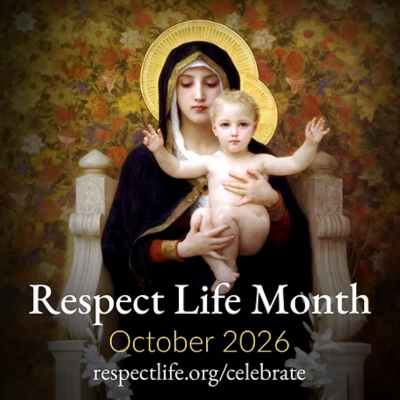
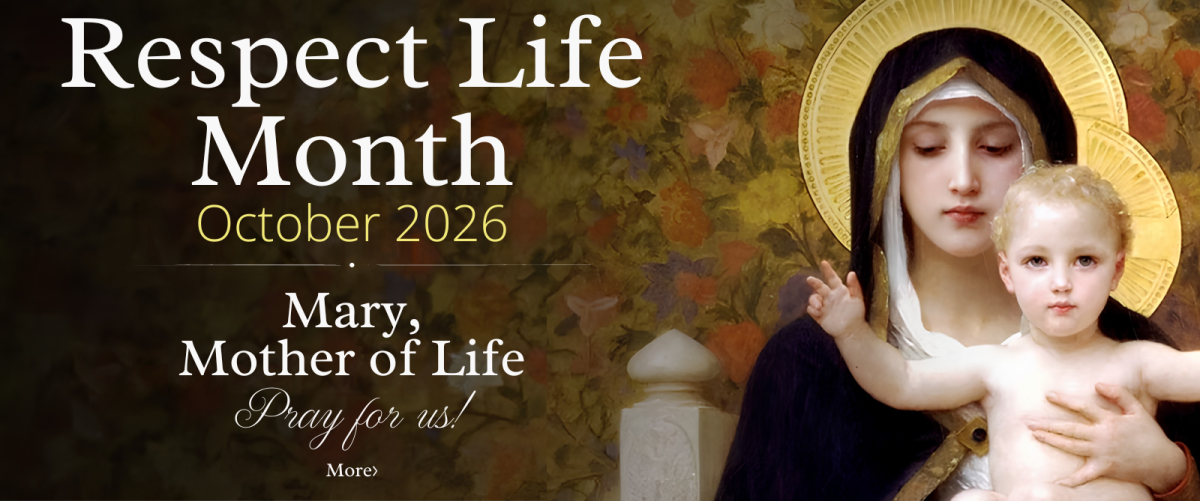
Respect Life Month - October 2026
October is Respect Life Month, a time when Catholics across the United States renew their commitment to defending the dignity…
Read More -
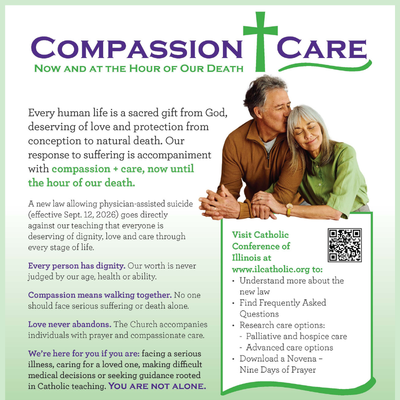
Compassion + Care: Resources Regarding Illinois' New Assisted Suicide Law
As Illinois' new physician-assisted suicide law takes effect on September 12, 2026, many individuals and families may have questions about…
Read More -
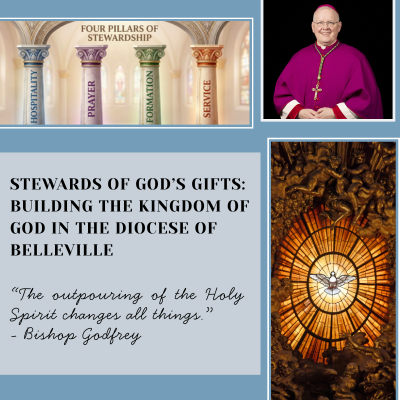
Stewards of God’s Gifts: Building the Kingdom of God in the Diocese of Belleville
As the Diocese of Belleville continues its mission of faith, stewardship, and evangelization, Bishop Godfrey Mullen, OSB, offers this reflection…
Read More -
Flocknote: Stay Connected, Grow in Faith
Did you know the Diocese of Belleville uses Flocknote?Stay connected with the life of the Diocese of Belleville by signing…
Read More -
Holy Days of Obligation 2026
In the Catholic Church, Holy Days of Obligation are the days on which the faithful are obliged to participate in…
Read More -

Employment Opportunities
Working for the church is a rewarding experience.It provides an opportunity to share your talents in a meaningful way while…
Read More
- 1
- 2
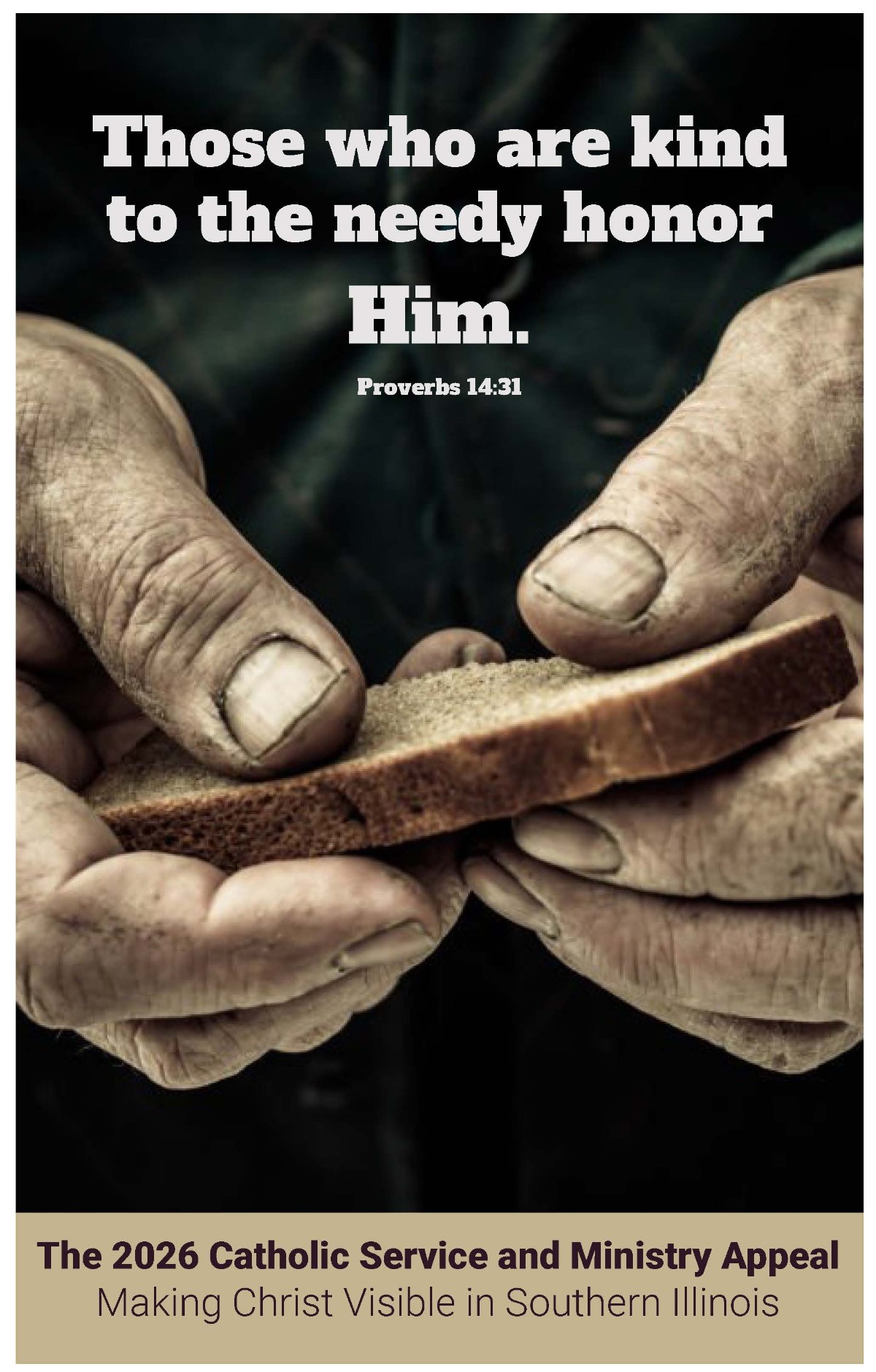
Catholic Service and Ministry Appeal
Servants' Hearts
Dear Friends,
The Annual Priest Convocation is always full of information and presentations, but it is also very importantly a time for our priests to gather together. The schedule includes time to enjoy each other’s company and support one another in the ministry that we undertake every day.
This year, the convocation also included the celebration of our priest jubilees, detailed elsewhere in this issue of The Messenger. This simple celebration is always inspiring. Appreciating the dedicated service that our priests have offered over decades in various places throughout the diocese and in other countries, sometimes, too, is a blessing.
At the time of the Annunciation, our Blessed Mother could not have fully grasped all the details and events that would be part of life for her. She willingly embraced a mystery with a cheerful and generous heart. She embraced what she could not fully know. And yet, even with moments of sorrow and helpless pain, surely the joys of mothering the Savior outweighed those difficulties.
And so for our priests serving the diocese. On the day of their ordination, they could not have envisioned what grace and challenge would unfold in their priestly ministry. And yet they said yes. They agreed to conform their lives to the cross of Christ, as the ordination ritual says. And each of them, without doubt, could detail dozens and dozens of stories of grace that have unfolded from their willingness to embrace the mystery of God’s beautiful call.
In the past weeks, I have also celebrated jubilees with the Adorers of the Blood of Christ and the Oblates of Mary Immaculate. Again, their faithful lives testify to embracing the mystery of vocation, no one spared difficulties, all rich with blessings.
Let us offer a grateful prayer for the gifts we have known from the ministry and service of these brothers and sisters of ours. But let’s not miss the connection.
Every person on earth embraces mystery in our lives. Whether it’s on our wedding day, or at the birth of a child, or taking a new job, or moving to a new community, or beginning a new friendship — the most important elements of our lives are always embraced by mystery. There are no guarantees or guidebooks for the beauty of human relationships. And there are few gifts this side of heaven that are more beautiful, rewarding and blessed.
Embracing the mystery, rather than fighting it, is the way of our Blessed Mother. Embracing the mystery of life is the way of the saints — if not early, then later (as in the case of St. Augustine).
But mystery, almost always involving a mix of pain and joy, is where we come to know the Lord most deeply. Mystery is where the disciple comes to understand a love so deep that laying down His life was the proof of love. Disciples follow the mysterious example of Jesus. And in doing so, we all come to know the glory that He has prepared for us.
In Christ,
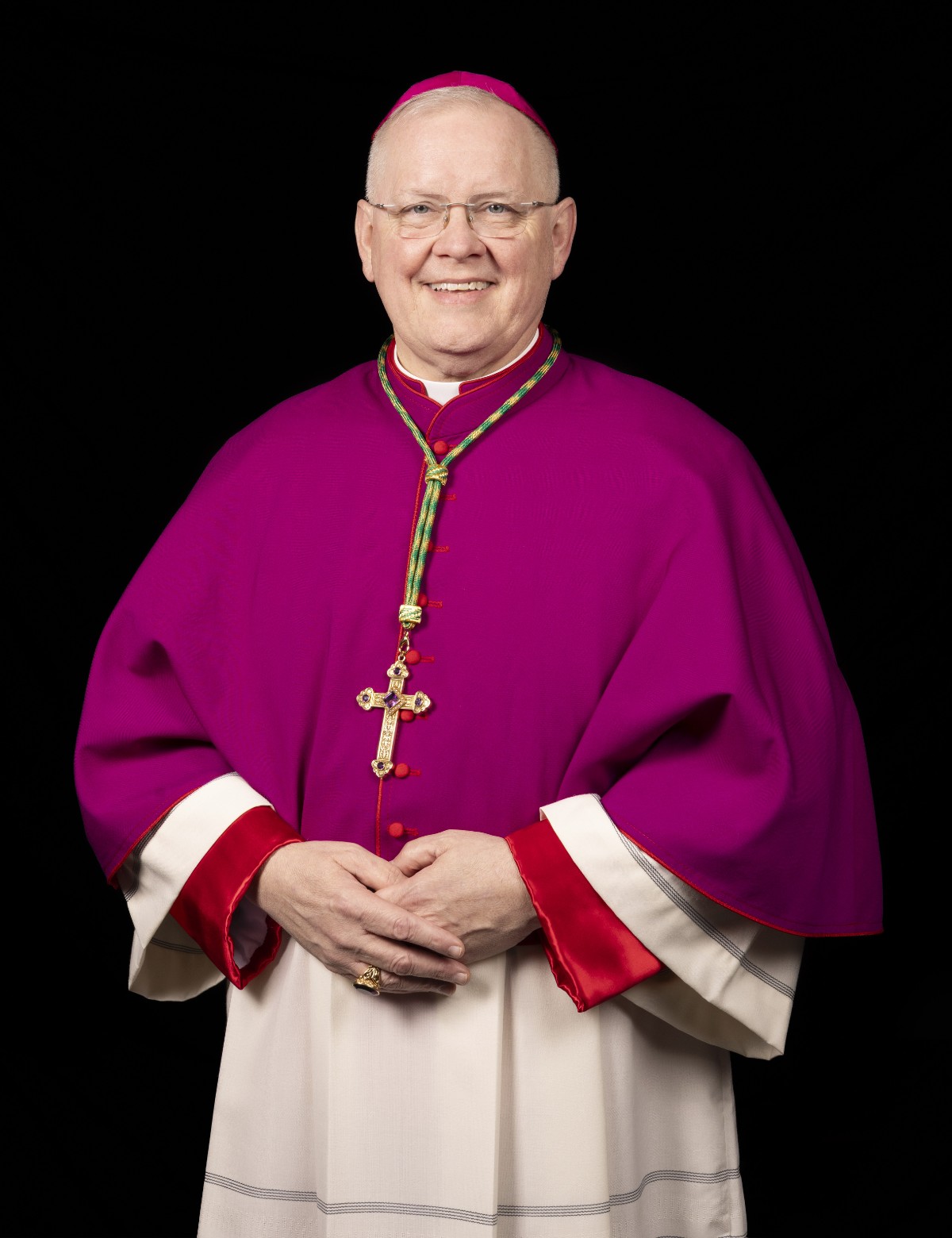
Bishop Godfrey Mullen, OSB